
A 10,000-Foot View of Cloud Integration and Its Role in Connected Devices
Picture yourself staring out an airplane window, looking down on a digital ecosystem connected by billions of invisible threads. Below you, smart devices everywhere are exchanging data, coordinating tasks, and responding to user commands, all within a vast network. This is the world of cloud integration—an essential element in the operation and functionality of connected devices, enabling them to work together and provide seamless, intelligent interactions.

It Takes Two to Tango: 7 Benefits of Using Companion Apps for Your Digital Device
Like in a beautifully choreographed dance, the interplay between hardware and software is essential for a seamless and engaging user experience. If you want your connected device to truly shine on the stage, it needs a dance partner—a companion app that complements its movements and enhances its capabilities with every step.
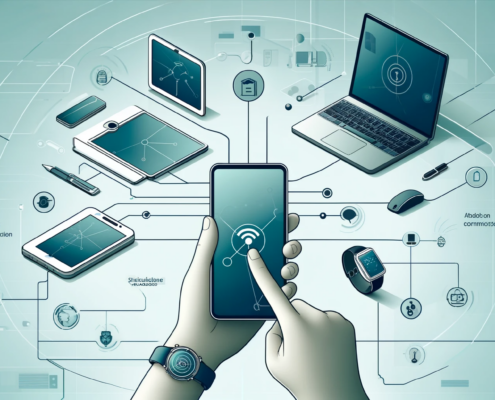
How IoT (Connected) Devices Communicate: Software vs. Firmware
So, you've got a shiny new connected device, and you're eager to see it in action. But have you ever wondered how it all works under the hood? How do these devices communicate, and what roles do software and firmware play in making everything tick? Let's explore the differences between software and firmware in connected devices and shed some light on their distinct roles in the embedded system.
9 Ways to Provide Post-Product Launch Manufacturing Production Support
In this final D3 process guide, we’ll delve into the critical realm of manufacturing production support and explore the nine essential activities that can make a significant difference in the long-term success of your product.
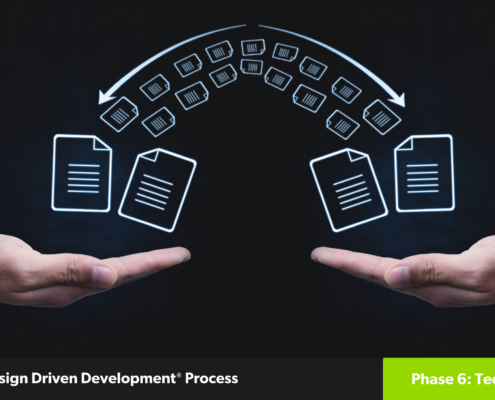
8 Steps for a Successful Tech Transfer Phase of Product Development
If you want to successfully take your brilliant ideas, innovations, and breakthroughs from the laboratory to the production facility—while ensuring your product reaches its full commercial potential—you need to follow the intricate process known as a technology transfer. In this article, we’ll explore the eight critical steps in the technology transfer process.
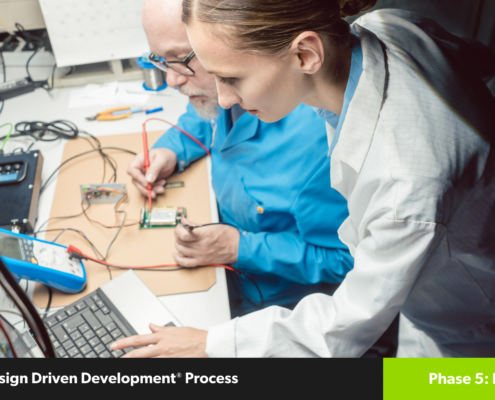
Exploring the 12 Steps of Product Design Engineering
In this article, we will take you through the intricacies of the 12 essential phases of product design engineering. Each step will help ensure your product not only meets its intended purpose but also stands out in the competitive landscape.
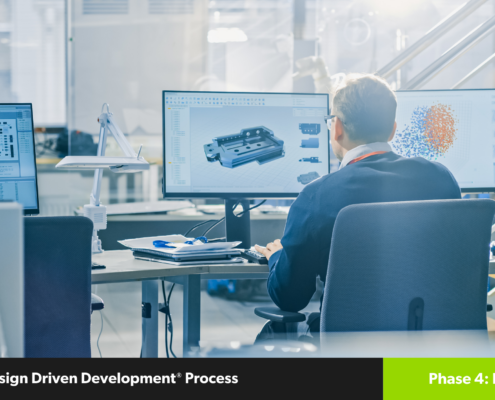
8 Steps to Success During New Product Design & Development
So, you've conquered the initial phases of product development, from evaluation and market research to initial ideation, and now you're standing at the threshold of the product development design phase. Congratulations, because this is where your ideas truly take shape, where your product transforms from mere concepts into tangible realities!

9 Key Steps to Supercharge Your Product Development Ideation
Are you ready to unlock the power of ideation for new product development? Buckle up and get ready to explore a world of creative possibilities that will—barring any setbacks—bring your market-shattering ideas to life!
Your 9-Step Guide to Product Development Research
Are you interested in developing a new product? Whether you're a startup or an established company, product development research is an essential aspect of any project. That’s because it involves investigating your target market, understanding the competitive landscape, and evaluating the viability of your ideas—all crucial factors in a successful product launch.

Why You Should NEVER Skip Product Evaluation and Assessment
As a product developer, you understand the excitement and potential rewards of bringing a new product to market—but you’re probably also aware of the many risks that come with the territory. Without a careful and strategic approach to the evaluation of new product development, your device could smash into any number of product development roadblocks.