
It Takes Two to Tango: 7 Benefits of Using Companion Apps for Your Digital Device
Like in a beautifully choreographed dance, the interplay between hardware and software is essential for a seamless and engaging user experience. If you want your connected device to truly shine on the stage, it needs a dance partner—a companion app that complements its movements and enhances its capabilities with every step.

How IoT (Connected) Devices Communicate: Software vs. Firmware
So, you've got a shiny new connected device, and you're eager to see it in action. But have you ever wondered how it all works under the hood? How do these devices communicate, and what roles do software and firmware play in making everything tick? Let's explore the differences between software and firmware in connected devices and shed some light on their distinct roles in the embedded system.
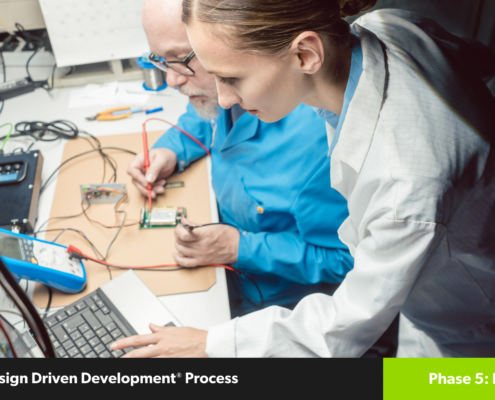
Exploring the 12 Steps of Product Design Engineering
In this article, we will take you through the intricacies of the 12 essential phases of product design engineering. Each step will help ensure your product not only meets its intended purpose but also stands out in the competitive landscape.
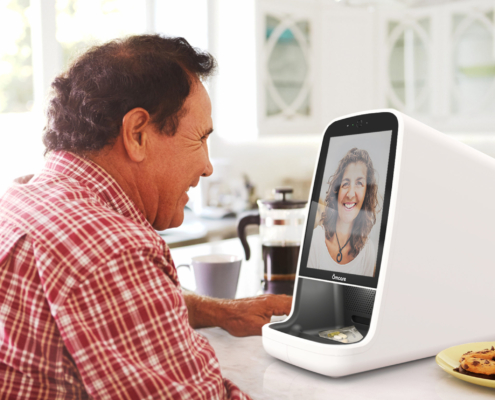
Medication Dispensing Systems: How New Innovation is Changing the Way We Approach At-Home Prescriptions
Whether it’s due to the text on a pill bottle being too small to read or a pillbox that’s unnecessarily complicated, studies have shown that 37% of patients don’t take their medications properly. To us, that number is unacceptable. Fortunately, through a rigorous research and design process, many of these existing usability issues and errors can be entirely avoided when interacting with a medication dispensing device.

Designing a Study: 6 Steps for Preparing Successful MedTech Device Research
Designing a research study for a medical technology device can be an incredibly intimidating process. As one of the first steps in your device design process, it effectively sets the stage for the success of the entire project. That’s not to mention that looming voice in the back of your head reminding you of all the things you need to do to make the FDA happy.

How to Make the FDA Happy: 7 MedTech Device Design Pro Tips
When it comes to designing medical technology devices, making the Food & Drug Administration (FDA) happy is key. That’s because, if you plan to bring your product to market someday—and I’m sure you do—they’re the final troll under the bridge you’ll need to get past.

5 Product Design Tips for Managing a Severe Electronics Shortage
For product designers, 2021 was a year of supply chain nightmares. Many electronic parts suppliers were completely unable to keep up with demand, leading to significant shortages of multiple components—not just microchips as many news outlets have been quick to report. While these supply chain issues may gradually correct themselves over the next few months or years, as product designers, we don’t exactly have the luxury of sitting around and waiting. We NEED to get our clients’ products into the marketplace as soon as possible!
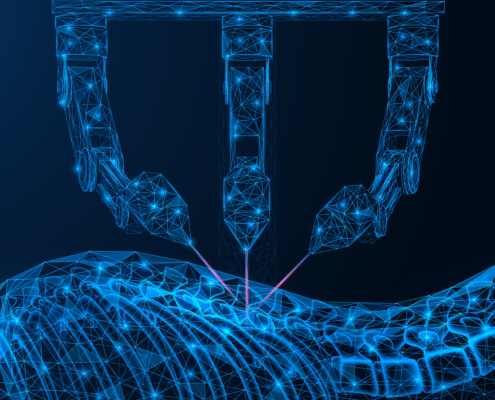
Best Practices for Designing Surgical Robotics
In the world of surgical device development, identifying needs first and testing concepts second is the key to user adoption and gaining a competitive advantage. This approach serves as the foundation to innovating smartly, along with quick, efficient, and robust methods of concepting. At Kablooe Design, we include Design thinking early on in the process, which minimizes rework and aids in hitting cost and schedule targets.
When to Start Thinking About Reimbursement
What are you forgetting? These 4 important steps to take to prepare for a successful product launch are an integral part of the process.

Hiding in Plain Sight
You’ve seen the ads and heard the pitches. Use this drug, and the aggravating issue you are struggling will be relieved. There is a downside. There could be side effects. Problems. Issues. New things you might struggle with. How do we know this? We tested a statistically significant group of people... willing subjects with their consent for a little cash in their pocket, and discovered that a certain percentage of them suffered from these “side effects” after using the drug.