
Class is in Session: How Kablooe Excels in Class I, II, & III Medical Devices


Welcome to today’s lesson on Medical Device Classification 101. Don’t worry—there won’t be a pop quiz at the end. But by the time the bell rings, you’ll walk away with a clear understanding of how Class I, Class II, and Class III medical devices differ, how they fit into the bigger picture of healthcare innovation, and why choosing the right development partner is the key to passing with flying colors.
At Kablooe, we’ve spent decades navigating the complexities of medical device regulations and crafting smart, user-centered solutions. Think of us as the team that does its homework, studies ahead, and knows how to help your device ace every test on the way to market.
Before we break out the metaphoric chalkboard, let’s quickly answer a foundational question…
What Purpose Are Medical Devices Used For?
Industrial designers and engineers sometimes get so deep into the details that it’s easy to forget the simple truth: medical devices exist to support, enhance, or help diagnose human health. From a basic Band-Aid to an implantable defibrillator, the purpose remains the same—help people live longer, healthier, more comfortable lives.
But because not all devices pose the same risk to users, the FDA sorts them into three classes. Each class determines the regulatory path, testing, and design constraints required to ensure patient safety and product efficacy.
And that’s where our lesson truly begins.
Why Understanding Device Class Matters
Misclassifying or misunderstanding your device category can lead to:
- Costly redesigns
- Regulatory delays
- Missed documentation requirements
- Reimbursement complications
- Market-launch setbacks
But when your team understands the FDA’s classification system—and partners with a design team that’s mastered it—you gain a major strategic advantage.

Class I Medical Devices
Class I medical devices are the “elementary school” of healthcare technology. They’re foundational, relatively simple, and serve essential roles—just like learning the ABCs or multiplication tables. These aren’t flashy show-and-tell projects. They’re the dependable basics the healthcare world relies on every day.
What is a Class I Medical Device?
A class I medical device is generally:
- Low risk
- Non-invasive
- Simple to use and manufacture
- Subject only to general FDA controls
Class I Medical Device Examples
- Bandages
- Tongue depressors
- Manual stethoscopes
- Examination gloves

How Kablooe Approaches Class I Devices
Even at the elementary level, devices must work flawlessly. That’s why Kablooe applies its Design-Driven Development® process to ensure usability, manufacturability, and reliability aren’t overlooked.
And when Class I devices incorporate features like Bluetooth or mobile connectivity, things get more complex fast. That’s where we combine industrial design with embedded engineering to ensure everything communicates clearly.

Class II Medical Devices
Ah, middle school—the era of locker combinations, science fairs, and tougher homework. Class II medical devices sit squarely in this category: more rules, more complexity, and more responsibility. These devices require thoughtful integration of safety features, usability engineering, and system-level design.
What is a Class II Medical Device?
A class II medical device typically:
- Carries moderate risk
- Requires 510(k) clearance
- Must demonstrate “substantial equivalence” to another approved device
- Has both general and special controls
Class II Medical Device Examples
- Blood pressure monitors
- Infusion pumps
- Powered wheelchairs
- Contact lenses

How Kablooe Approaches Class II Devices
This is the category we design most often—and our process becomes more interdisciplinary at this stage. We help teams:
- Validate concepts early
- Conduct contextual research
- Evaluate risks and usability hazards
- Build and test iterative prototypes
- Ensure compliance documentation is in order
In other words, we help you move through middle school without tripping in the hallway.

Class III Medical Devices
Now we’re in the big leagues—the high school years. The stakes are higher, the coursework is harder, and the consequences of making mistakes are bigger. Class III medical devices are considered high-risk because they support or sustain life and can pose serious risks if they fail. They face the highest scrutiny and thus require specialized design, engineering, and regulatory collaboration.
What is a Class III Medical Device?
A class III medical device:
- Supports or sustains human life
- Presents a significant risk
- Requires premarket approval (PMA)
- Must prove both safety and effectiveness through rigorous data
Class III Medical Device Examples
- Pacemakers
- Implantable defibrillators
- Heart valves
- Deep-brain stimulators
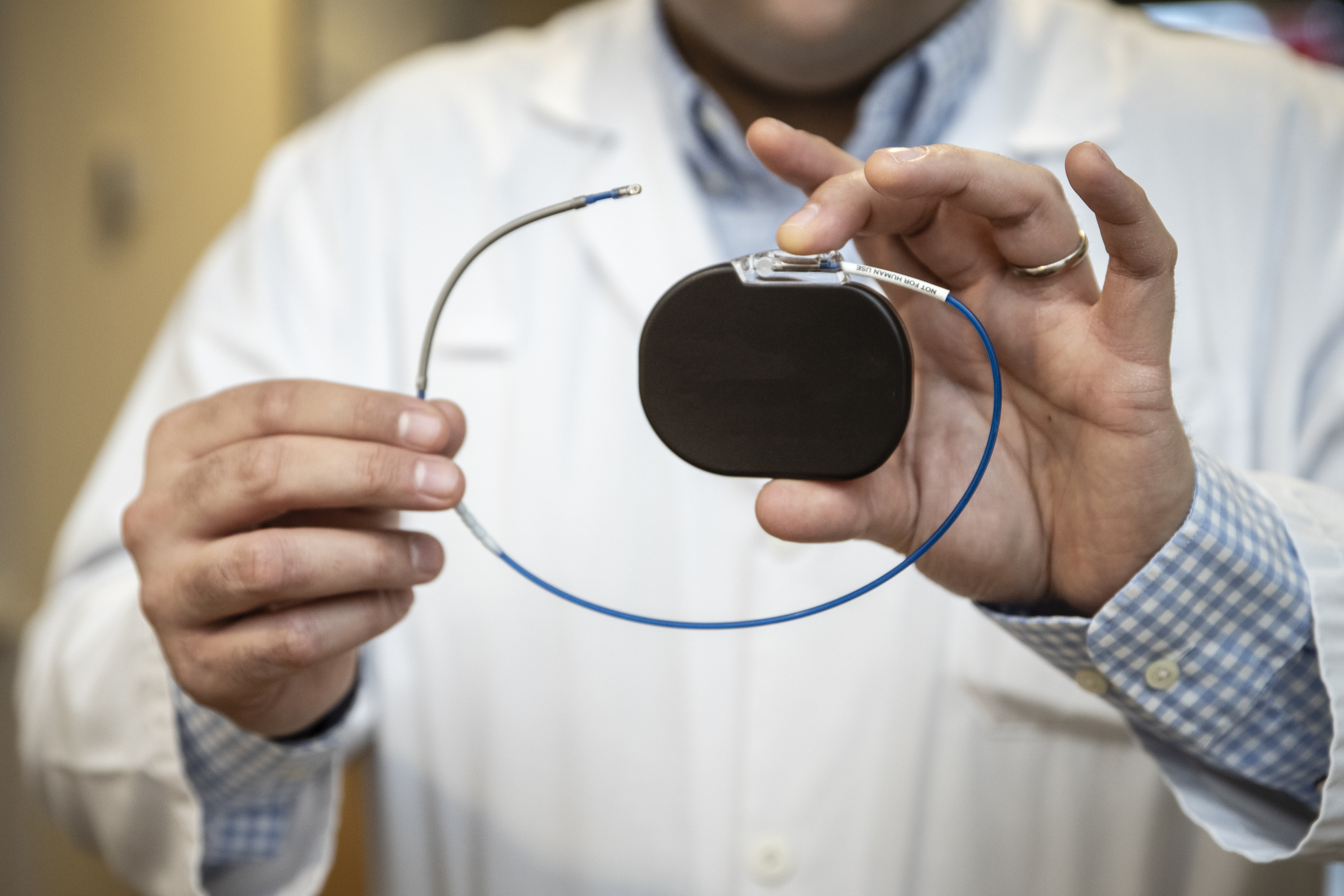
How Kablooe Approaches Class III Devices
This is where precision meets empathy. For Class III devices, our team becomes deeply integrated with clients’ engineering, clinical, and regulatory experts to ensure:
- Comprehensive risk analysis
- Deep human factors engineering
- Advanced prototyping and verification
- Clinical workflow evaluation
- Cross-functional documentation aligning with FDA expectations
We’re the partner that ensures your device doesn’t just graduate… but graduates with honors.
Ready to Create Your Next A+ Device?
If you’re looking for a partner that can help your device “graduate” into the real world—compliant, manufacturable, and user-centered—we’d love to help!
Whether we’re designing a simple Class I diagnostic accessory or a complex Class III implantable system, one thing is consistent: we tailor our design, engineering, and research approach to the unique needs of each class.
Contact us today, and let’s start building something the world needs.